
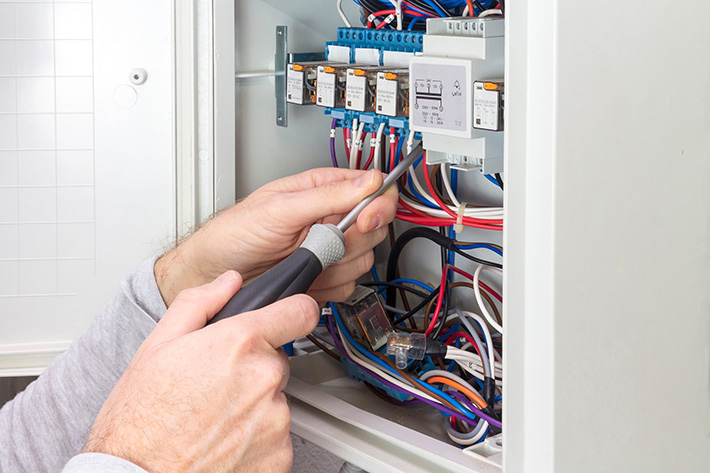
Out of sight, out of mind. That is how most homeowners think about their electrical panel. Tucked away in the basement or garage, it quietly powers your home without asking for attention. In many ways, it is the biggest invisible system in your house.
You rarely think about it until something goes wrong. A breaker trips. The lights flicker. An appliance suddenly refuses to cooperate. In that moment, the hidden box you never noticed becomes impossible to ignore.
An electrical panel may be easy to overlook, but when it can no longer keep up with your home’s growing demands, it quickly turns from background fixture to urgent problem.
What are the reasons for upgrading your electrical panel?
You may need to upgrade your electrical panel if your breakers trip frequently, your home still has an outdated fuse box, you’re adding new appliances or renovating, or your panel can no longer safely handle your electrical demand. Upgrading improves safety, increases capacity, and ensures your home meets current electrical codes.
If you are unsure whether your panel is due for an upgrade, read on. Understanding its role and the benefits of updating it can help you make a confident decision.
What Is the Role of an Electrical Panel?
Your electrical panel, often called the breaker box, is the control center of your home’s electrical system. It distributes electricity from the utility company to different circuits throughout your house.
Each circuit powers specific areas or appliances, such as your kitchen outlets, HVAC system, lighting, or laundry room. The breakers inside the panel are designed to shut off power if a circuit becomes overloaded. This prevents overheating, electrical fires, and damage to appliances.
In short, your electrical panel protects your home while ensuring electricity flows safely and efficiently. If it is outdated or overloaded, that protection may be compromised.
How Do You Know It Is Time to Upgrade?
There are several warning signs that your electrical panel may no longer be sufficient for your home’s needs.
Frequent breaker trips are one of the most common indicators. If your breakers trip regularly when running multiple appliances, it may mean your panel cannot handle your electrical load.
Another red flag is an older fuse box. Many older homes still operate on 60 or 100 amp service, which is often not enough for today’s energy demands. Modern homes typically require 200 amp service to safely power appliances, electronics, and smart home devices.
If you are planning a renovation, adding a home office, installing central air, purchasing an electric vehicle charger, or finishing a basement, your current panel may not have the capacity to support these upgrades.
You may also notice flickering lights, buzzing sounds near the panel, or a burning smell. These are serious warning signs that should be addressed immediately by a licensed electrician.
What Are the Pros of Upgrading Your Electrical Panel?
One of the biggest advantages of upgrading your electrical panel is improved safety. A new panel reduces the risk of overloaded circuits and electrical fires. It ensures your system meets current safety standards and building codes.
Another benefit is increased capacity. A modern panel gives your home the ability to handle today’s electrical demands without constant breaker trips or limitations.
Upgrading can also increase your home’s value. Buyers often look for updated electrical systems, especially if they plan to install new appliances or technology. A newer panel signals that the home is well maintained and ready for modern living.
You may also enjoy greater reliability. With an upgraded panel, you can run multiple appliances, charge devices, and power your HVAC system without worrying about interruptions.
Are There Any Cons to Upgrading an Electrical Panel?
The primary drawback is cost. Electrical panel upgrades require professional installation by an electrical contractor and may involve permits and inspections. Depending on the complexity of the job, the investment can vary.
There may also be a temporary power outage during installation. Most upgrades can be completed within a day, but you should plan for a short period without electricity.
While these inconveniences exist, they are typically short term. The long-term safety, reliability, and capacity improvements often outweigh the initial disruption.
Why Is an Electrical Panel Upgrade Worth It?
Your home relies on electricity for nearly everything, from cooking and heating to working remotely and charging devices. An outdated panel can limit your lifestyle and create unnecessary risks.
Upgrading your electrical panel is not just about adding power. It is about protecting your home, supporting future improvements, and giving you peace of mind. Whether you are remodeling, expanding, or simply preparing for modern energy needs, investing in your electrical system ensures your home can safely keep up.
Recap
Your electrical panel plays a critical role in keeping your home safe and powered efficiently. If you are experiencing frequent breaker trips, planning renovations, or living with an outdated system, it may be time to consider an upgrade.
While there is an upfront cost and brief disruption, the long-term benefits of safety, reliability, and increased capacity make it a smart investment. When it comes to your home’s electrical health, staying ahead is always better than reacting to a problem later.
Trusted Electrical Contractors for Safe, Reliable Power at Home
An electrical contractor can inspect your electrical panel, evaluate your home’s power needs, and determine whether a repair, panel replacement, or service upgrade is the best solution. Bratcher Electric in Wayne provides trusted electrical inspections, repairs, and upgrades to help homeowners stay safe and powered with confidence. Homeowners throughout Wayne and the surrounding areas rely on our experienced team for dependable electrical service done right.