
There are many elements to focus on when building or remodeling a home, such as kitchen countertops, paint colors, and flooring, oh my! Although it should be a fun, exciting time, many get overwhelmed by the sheer number of details to consider, and factors related to what happens behind the walls, such as your electrical system, are usually not high on the to-do list.
What are the must-have electrical upgrades that should be considered when building or remodeling a home?
Some significant factors to assess include:
● Electrical panel upgrade
● Smart home technology
● Whole-home surge protection
● Dedicated circuit installation
● Energy-efficient lighting
● Outlet upgrade
● Future-proof electrical system
● Home generator installation
● Home energy efficiency upgrades
● Code compliance
Yes, it’s a comprehensive list, but we’re here to guide you through each upgrade, making the decision-making process a breeze.
Must-Have Electrical Upgrades
1. Upgrade Your Home’s Electrical Panel
Many homes today have outdated electrical panels that can’t support the power demands of modern appliances and smart devices. Updating your home’s electrical circuitry will increase your home’s capacity, prevent overloading, and reduce the risk of electrical fires. This will ensure the overall safety and resale value of your home.
2. Install Whole-Home Surge Protection
Whole-home surge protectors guard outlets and appliances from sudden voltage spikes caused by lightning or power grid fluctuations. This upgrade will protect your electronic devices and extend the lifespan of your home’s electrical system, helping you avoid future repair costs.
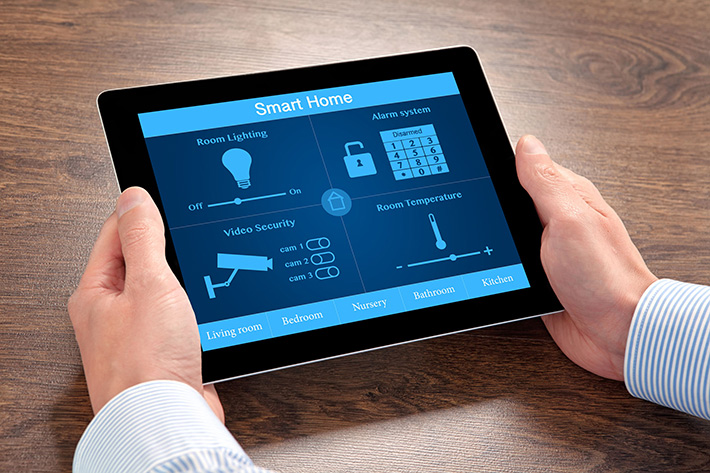
3. Add Smart Home Wiring & Automation
The new rising standard for modern homes is smart home technology, such as voice-controlled lighting, programmable thermostats, and security systems that can be monitored and controlled remotely. Specific wiring for these systems is required, allowing you to add smart switches, motion sensors, and even app-controlled outlets. Smart home technology is sure to enhance security, convenience, and energy management.
4. Include Dedicated Circuits for High Power Appliances
Areas such as kitchens or laundry rooms are high-demand areas, which could benefit from dedicated circuit installation. Dedicated electrical circuits, separate from the main circuit, prevent tripped breakers and ensure that large appliances such as ovens, dryers, and dishwashers get consistent power, enhancing their performance and safety.
5. Upgrade Lighting Fixtures
Lighting is a fantastic way to transform a house into a home. Many switch to LED fixtures and add dimmer controls, which help reduce energy use and adjust lighting to enhance the atmosphere. Additionally, installing recessed lighting, LED under cabinets, and outdoor lighting adds elegance to any space.
6. Add Extra Outlets & USB Charging Stations
We inevitably accumulate many electronic devices, many of which need charging, so installing additional outlets in convenient locations is ideal, especially outlets with USB or USB-C ports. Adding these small but essential details keeps things organized and functional.
7. Plan For EV Charging & Future Electrical Needs
Let’s face it: more and more people are transitioning to electric cars, and even if you don’t own one yourself quite yet, it never hurts to add a 240-volt EV circuit. This feature in homes will naturally grow in demand, so planning for future needs will make your home future-proof and energy-resilient.
8. Invest in a Backup Generator
It’s always best to expect the unexpected, and investing in a backup generator may save you during a power outage. Installing a backup battery system will ensure your home stays powered during storms or grid failures. With a backup generator, you’ll be able to keep the lights on, preserve refrigerated food, and potentially power any necessary medical equipment.
9. Optimize Electrical Layout & Energy Efficiency
Strategically placed outlets, lighting, and switches will improve convenience and minimize the need for extension cords. Optimizing your electrical layout, along with energy-efficient fixtures and appliances, creates a cost-effective, eco-friendly environment.
10. Hire a Licensed Electrician for Code Compliance
A licensed professional should always handle electrical upgrades. Certified electricians will work to ensure all work complies with local code, is safely installed, and performs efficiently for years to come. A professional installation not only protects your home but also gives you documentation with ease when it comes time to sell.
Related Questions
How often should you update your home’s electrical system?
Most electrical systems last 25–40 years, but it’s smart to have yours inspected every few years, especially if your home is older or you’re adding new appliances. Upgrading ensures your system can safely handle modern power demands.
What are the signs that your electrical panel needs to be upgraded?
Frequent breaker trips, flickering lights, buzzing sounds, or a warm panel are common warning signs. If your home still uses fuses or a 100-amp service, it’s time to upgrade to meet today’s electrical standards.
What electrical upgrades are required by code for new homes?
New homes must meet modern electrical codes, which typically require GFCI and AFCI outlets, tamper-resistant receptacles, proper grounding, and sufficient circuit capacity. A licensed electrician will ensure all installations meet or exceed these safety standards.
Contact Wayne’s Go-To Electricians
Whether you’re remodeling or building from the ground up, Bratcher Electric will install modern electrical features the right way to enhance your home’s safety and convenience and make sure it’s ready for the future. Upgrading your home’s electrical system starts with a trusted local contractor like Bratcher Electric in Wayne. We’ve been powering homes and businesses for more than 60 years. Call today to speak with a pro.