
The never-ending maintenance that comes with owning a home can be highly stressful. There’s so much you have to stay educated on, so many decisions to make, and if you happen to be a new homeowner, you might not know where to begin.
A great place for a homeowner to start is with electrical safety. Often overlooked, electrical safety ensures protection for your family as well as living comfortably with convenience. There are some “in-the-know” tips on electrical safety that everyone should know about whether you are a homeowner or not.
What are the essential tips on electrical safety that homeowners should know?
Some significant electrical safety tips one should consider are as follows:
• Be sure not to overload outlets
• GFCI’s installation
• Routinely assess cords and plugs
• Use the correct light bulbs for fixtures
• Schedule regular electrical inspections
Now, you may be asking yourself why these tips are significant. Considering these tips will help ensure the overall safety of your home and everyone in it. Staying on top of electrical maintenance will assist in preventing fires and possible situations where someone could get electrocuted.
Also, maintaining electrical safety will protect small children and curious pets that could tamper with exposed wires, plugs, or outlets. Failure to follow these tips could lead to costly repairs, potential injuries, or even loss of life.
By securing the safety of your home, you’re not just saving money on repairs and insurance; you’re also gaining peace of mind. No one wants to be hit with unexpected damage repair costs.
Here are some essential tips to secure your home and feel reassured about your family’s safety.
Tip #1: Overloading Outlets
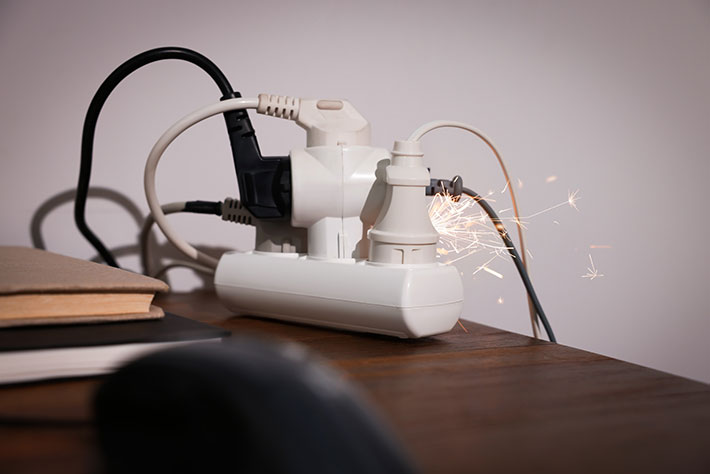
Many may not even realize that their outlets could get overloaded, which can cause quick and dangerous electrical fires. Be sure not to plug too many devices into one outlet, especially when using older power strips or extension cords. Be sure to use power strips with surge protection.
Tip #2: GFCI Outlet Installation
GFCIs are known as Ground Fault Circuit Interrupters, which mainly protect against electrocution. These should be installed professionally anywhere moisture can build, such as kitchens, laundry rooms, bathrooms, garages, or backyard areas.
Tip #3: Assess Cords and Plugs
Checking your household cords and plugs is a simple task that can be done once every month, helping you avoid dangerous situations. You should always replace cords upon seeing loose or frayed wires or an opening in the plastic outer protective layer. It is essential never to try to repair broken cords yourself; always play it safe and replace the cords when possible.
Tip #4: Use Correct Light Bulbs
Another simple way to prevent electrical problems is to check the wattage of light bulbs you should use for specific light fixtures. Typically, the wattage should be labeled on the fixture, and it’s essential to consult an electrician to understand wattage properly for specific in-home light fixtures. If improper wattage is used, this can lead to overheating and increase the chances of a fire.
Tip #5: Routine Electrical Inspections
Lastly, it is always essential to get a professional opinion, especially when dealing with electrical safety in your home. You should get routine electrical inspections for your home, with frequency depending on age. If you live in an older home, getting an inspection every 3-5 years is recommended.
If you live in a more modern home, you should expect to get an inspection every 8-10 years. These inspections typically involve thoroughly checking all electrical systems, including wiring, outlets, and appliances. Getting these electrical inspections can assist with uncovering problems you may not notice until the damage is done, and ensure maximum overall safety of your home.
Related Questions
What are the three primary electrical hazards?
The three main types of electrical hazards are electrical shock, electrical burns, and arc blasts.
How do I know if an outlet is unsafe to use?
An outlet is unsafe to use if smoke or electrical sparks are visible, or if burning odors are smelled.
How many volts is a standard outlet?
A standard outlet typically operates at 120 volts.
Safety Recap
It is vital to take your home’s electrical safety very seriously, and when in doubt, call in the professionals. These tips provide a few easy, doable tasks that can help prevent dangerous situations before they occur. Following these simple steps can empower you to maintain a safe home environment. Now you can mark another thing off your home maintenance to-do list!
Contact Wayne’s Trusted Electrical Contracting Firm
Bratcher Electric has been empowering homes and businesses throughout Wayne with reliable electrical services for more than 60 years. Whether you need a backup power system, electrical service upgrade, code compliance or rewiring, our electricians are ready to take on any project. Putting customer safety and satisfaction first makes our electrical firm a top choice in Southeastern Michigan. Contact us anytime online and let us know how we can help!