
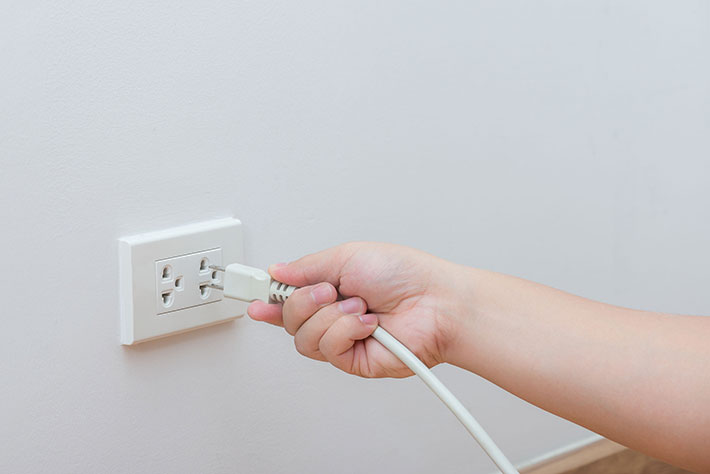
Upon addressing your home electrical system, many may not understand the significant differences between 2 and 3-prong outlets. In older homes, it’s typical to have 2-prong outlets, while the more modern-day choice is 3-prong.
What is the difference between 2-prong vs. 3-prong outlets and why?
Although both 2-prong and 3-prong outlets are still used today, many modern buildings are built with 3-prong outlets, as 2-prong outlets were previously used. The main differences between 2 and 3-prong outlets are concerning safety, home insurance, as well as code compliance issues, and compatibility with modern appliances.
Here we will go through the key differences between the two types of outlets, shedding light on safety, insurance implications, and compatibility with modern appliances. While older homes may still feature 2-prong outlets, the advantages of upgrading to 3-prong outlets are significant, particularly regarding safety and compliance with current electrical codes. We’ll discuss when it’s time to consider an upgrade, the importance of hiring a licensed electrician, and the potential risks of DIY attempts. Read on to learn more about ensuring your home’s electrical safety!
3-Prong vs. 2-Prong Outlets
A 2-prong outlet is an older style outlet, used in homes built before the 1960s. These types of outlets have two slots designated for one “hot” wire and one “neutral” wire.
A 3-prong outlet is used in more modern-day renovation projects. Along with the original 2-slot design, the 3-prong outlets have a third slot, which is for the grounding wire.
Key Differences
Safety
Concerning safety, the 2-prong outlets used in the past lack a slot for a grounding wire. Without a grounding wire, the excess electrical current has nowhere to go, potentially increasing the risk of electrical fires. The more modern 3-prong outlet allows for the excess electricity to be directed to the ground instead of into the device plugged into the outlet. If the current was directed back to the device plugged into the outlet, this could result in electrical shock or fire.
Insurance & Code Compliance
Although many homes still use 2-prong outlets, it’s typical that they can create liability issues down the line when it comes to home and insurance, and building codes. The National Electrical Code (NEC) has made it a requirement that new outlets in both residential and commercial buildings be grounded (3-prong outlet). This new code could interfere with inspections upon planning to sell or renovate your home.
Additionally, regarding insurance, if electrical fires occur in a home with outdated outlets, some insurance providers have the ability to deny your claim due to the home not being up to code. Insurers can also increase premiums for homes that don’t have updated electrical systems.
Compatibility
Many may notice that more current appliances are designed with a 3-prong plug, only compatible with a 3-prong outlet. This contemporary design is solely based on safety.
When to Upgrade
If you are still living in a home with 2-prong outlets, there is no need to worry. Here, we will go through when it’s time to consider an upgrade and the key factors to look out for when considering when to upgrade your outlets.
You may consider an upgrade if you notice a buzzing sound, see sparks, or feel any warmth around the outlets. Also, if you are planning to remodel or sell your home, it’s typically worth it to upgrade your electrical outlets. Additionally, it may be essential to upgrade your electrical system to bring your home up to code for insurance purposes.
Hiring an Electrician
If you are considering an upgrade, it is crucial to hire a licensed electrician for the job. Although the job may seem simple, there is quite a bit of electrical expertise involved to ensure the job is done safely and correctly.
Safe Grounding Installation
A licensed electrician will ensure proper grounding installation for 3-prong outlets, which could mean running completely new wiring from the outlet to the breaker panel to secure proper grounding. Additionally, if rewiring isn’t feasible, electricians can install a Ground Fault Circuit Interrupter (GFCI), which can provide shock protection without an actual ground.
Code Compliance
Electricians are properly educated on updated electrical codes, ensuring your upgrade is done safely and up to code. If an upgrade is done improperly, this can result in fines or inspection failures.
Insurance Benefits
Many home insurance companies prefer proof of licensed electrical work for coverage. Insurers are less likely to approve claims if electrical jobs weren’t done by a professional.
Costly Mistakes
Some may be motivated to attempt the job on their own (DIY) in hopes of saving money on hiring a professional electrician, but this may cost more money in the long term. If an outlet upgrade is done improperly, this could result in tripped breakers, damaged wiring, and even shock your appliances, causing an electrical fire. In the end, there would be more money spent on repairing damage done by an improper upgrade than just paying the professional the first time.
Related Questions
Can I use an adapter to plug a 3-prong device into a 2-prong outlet?
Yes, you are able to use an adapter, but it is not recommended as a long-term solution. Adapters don’t create a true ground, which means that you and your appliances remain at a safety risk for electrical shock.
Why is grounding important in outlets?
Electrical grounding allows for a safe path for any excess electricity, allowing the excess to travel to the ground instead of through your device or to you.
Recap
At some point or another, it will be necessary to upgrade your building’s electrical system, whether it’s a residential home or a commercial building. There is no need to rush into upgrading all your outlets all at once, but it is recommended that you hire a professional electrician to come take a look at your current electrical system to give the best, most cost-efficient solution that’s best for you and your building’s safety.
Bratcher Electric – Local Experts You Can Rely On
For more than 60 years, Bratcher Electric in Wayne has been the trusted choice for residential and commercial electrical services. From troubleshooting and repairs to new installations, upgrades and backup power systems, our licensed electricians provide reliable solutions backed by experience.
Call today and let us help with your electrical needs!