
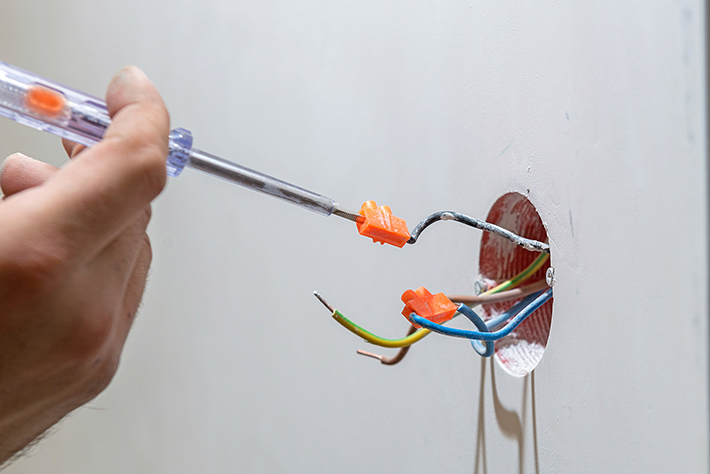
When you call an electrician, you may have noticed they use a small device that plugs into certain parts of an outlet or appliance and offers a reading. This is an electrical tester and it’s a safe and effective way for an electrician to check the range of electrical functions in a particular appliance or electrical outlet or device. Those who prefer the DIY method when it comes to their home electrical work can also benefit from testers but it’s important to know what they are, how to use them, and the differences between them.
Electrical testers come in various shapes, sizes, abilities, and purposes.
It can be tricky to know which one will work best for your needs and some are safest in the hands of professionals than amateurs. Below we’ve outlined some information to get you started.
Neon Voltage Testers
This is simple tester option that can offer quick and obvious results, though you won’t get a ton of information from them. They work by having two wire leads with metal probes that can be used to detect voltage. If there is electricity present, the neon light in the device will light up telling you that an outlet or wire or whatever you’re testing has a charge, though it won’t give you any measurements or further information.
Inductance Testers
These types of testers are also known as non-contact voltage testers and are among the safest testers available for both professionals and amateurs. As the name implies, they allow for testing without having to come into contact with open electrical currents or wires. The device can sense voltage from wires, circuit breakers, cords, sockets, and switches without ever coming into physical contact with the source of the current
Plug-in Circuit Analyzers
These testers are designed to work specifically with outlets to provide information on the electrical circuit. They plug into a variety of outlet types and offer readings based on how the lights light up as a result with a chart on the device to act as a key for your results and will let you know if an outlet has been wired correctly. One downside is these don’t work with older outlets.
Additional Questions
Are electrical testers safe?
All testers are designed to be safe but that doesn’t mean you should use them without doing your research or potentially talking to a professional. Any time you work with electricity there is a certain amount of danger that you should be prepared to deal with. Certain testers are safer and easier to use than others.
How many types of electrical testers are there?
The three mentioned here are among the most common and easy to use but there are as many as 8 different types depending on your needs and level of comfort working with electricity.
Talk to a professional about your concerns and questions regarding electrical testers and never be afraid to hire a licensed electrician to do a job you’re not certain of.
Electrical Services for Your Safety
Bratcher Electric located in Wayne is always available for electrical services, advice, and tips. When you are in over your head with an electrical DIY project, its better to be safe than sorry so please be cautious and call a trusted electrical contractor near you.
We have been keeping homes and businesses electrically safe and up to date since 1956 with a commitment to safety and customer satisfaction. Whether you need new home wiring, electrical code and service upgrades or a dependable and safe backup power system, you can count on us. Questions? Contact us and speak to an electrician today, Free!